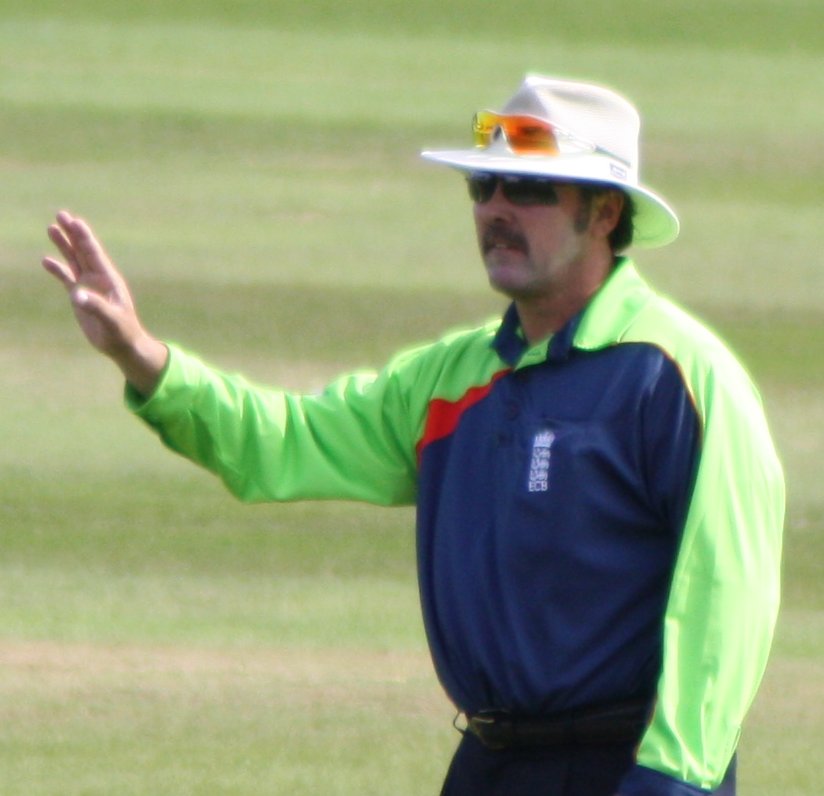
The roar of the crowd, the crack of the bat, the tension of a final over – T20 World Cup semi-finals are theatre at its absolute peak. While players grab the headlines, there's a crucial, often unsung, component without whom the spectacle couldn't exist: the officials. The search for the most adept T20 World Cup umpires, or t20 weltcup schiedsrichter, is an ongoing quest for fairness and accuracy, especially when the stakes are at their highest. As we delve into the hypothetical analysis of these pivotal matches, we uncover the immense pressure and responsibility resting on the shoulders of those tasked with upholding the spirit and laws of cricket.
The Unseen Architects: Why Every Call Shapes the T20 World Cup Narrative
In the electrifying, fast-paced world of T20 cricket, every single delivery, every run, and every decision can fundamentally alter the course of a match. This is particularly true in knockout stages like the semi-finals, where the margin for error is razor-thin. Consider the palpable tension in a semi-final like the one where England faced India, a match referenced in discussions about crucial tournament encounters. While the focus naturally drifts to player performances and tactical decisions, the accuracy and consistency of the t20 weltcup schiedsrichter are silently, yet profoundly, shaping the narrative.
These officials are the custodians of fair play. Their judgments on run-outs, LBWs, wides, and no-balls can swing momentum, impact target scores, and even dictate which team progresses to the final. A single contentious call, whether right or wrong, can ignite controversy, influencing not just the immediate outcome but also the post-match discussions and the perception of the tournament itself. The relentless "search" for excellence in umpiring is not merely about finding competent individuals; it's about identifying those with the steely nerve, impeccable judgment, and profound understanding of the game required to manage a global sporting event under intense scrutiny.
The pressure faced by t20 weltcup schiedsrichter in these critical matches is unparalleled. They operate in an environment where every action is replayed, scrutinized by millions of viewers, and dissected by pundits. This necessitates a level of concentration, precision, and impartiality that few other professions demand. Their role is not just to interpret laws but to manage player conduct, maintain the pace of play, and ensure that the match remains a fair contest, allowing the skill and athleticism of the players to shine through.
Navigating the Crucible: Challenges for T20 Weltcup Schiedsrichter in Semifinals
The semi-finals of a T20 World Cup present a unique set of challenges for umpires. The sheer speed of the game means decisions often have to be made in a fraction of a second, with high-definition cameras ready to expose any error. Here's a breakdown of the specific obstacles and decisions that demand the utmost attention from the t20 weltcup schiedsrichter:
- Leg Before Wicket (LBW) Decisions: Perhaps the most complex of all. Umpires must factor in pitching, impact, and whether the ball would have hit the stumps – all in real-time, often with significant spin or pace complicating matters. The use of DRS has aided accuracy but also puts the original decision under intense public review.
- Run-Outs and Stumpings: These calls require eagle eyes and perfect timing. A millisecond can separate glory from despair, making the umpire’s judgment at the crease absolutely vital. The reliance on the third umpire for these close calls means even more pressure on the on-field officials to make the correct initial referral.
- Wide and No-Ball Calls: Consistency is key here. What constitutes a wide delivery can be subjective, especially in T20 where batsmen move aggressively. No-ball calls for overstepping or height are non-negotiable and can lead to free hits, profoundly impacting the flow of runs.
- Boundary Line Calls: With acrobatic fielding close to the ropes, determining if a fielder has touched the boundary while in possession of the ball, or if a shot has landed beyond the rope, requires sharp vision and often relies on the third umpire's assistance.
- Player Management: Beyond the technical calls, umpires must manage player temperament, especially when frustrations run high in a high-pressure match. Maintaining decorum and preventing dissent are crucial for the spirit of the game.
The psychological aspect cannot be overstated. Remaining calm, composed, and unbiased amidst deafening crowds and the weight of national expectations requires immense mental fortitude. Every decision is amplified, every gesture scrutinized. For more insights into the pressures faced, you can refer to discussions on T20 World Cup Officiating: What We Know About Top Matches.
Beyond the Whistle: What Constitutes Excellence in Officiating?
The pathway to becoming a top-tier t20 weltcup schiedsrichter is arduous and demands continuous dedication. Excellence isn't just about knowing the rulebook; it's a blend of experience, temperament, and an intuitive feel for the game. What attributes do the best officials possess?
- Unwavering Consistency: Applying the laws uniformly across both teams and throughout the match is paramount.
- Deep Rule Knowledge: A comprehensive understanding of every nuance of the Laws of Cricket, particularly the specific playing conditions for T20 internationals.
- Exceptional Concentration: Maintaining focus for the entire duration of a high-octane match, often for several hours.
- Calm Demeanour: The ability to remain composed under pressure, handle player queries calmly, and make decisions without showing emotion.
- Physical Fitness: The job requires constant movement, quick reactions, and enduring long hours on the field.
- Strong Communication Skills: Clearly conveying decisions and interacting effectively with players and fellow officials.
The selection process for a major tournament like the T20 World Cup is rigorous, with officials chosen based on their consistent performance, reputation, and experience in international matches. They undergo continuous training, workshops, and performance reviews to refine their skills and stay updated with the latest interpretations of the laws. This ensures that only the very best are entrusted with the critical role of officiating such globally significant games.
Hypothetical Scrutiny: Unpacking Semifinal Decisions and Their Aftermath
While specific umpire analysis from past T20 World Cup semi-finals is not always widely "revealed" in minute detail to the public, we can hypothetically dissect scenarios that underscore the t20 weltcup schiedsrichter's impact. Imagine a tight semi-final, perhaps one involving two evenly matched teams like India and England, or even a hypothetical clash leading to a final like India vs New Zealand. What if:
- A Controversial LBW: In a pivotal moment of a run-chase, a key batsman is given out LBW. Replays show it was "umpire's call" on hitting the stumps. While technically correct according to DRS, the decision heavily sways momentum. The analysis would focus on the umpire's initial read, the speed of decision-making, and consistency with similar calls earlier in the game.
- The Critical No-Ball: A bowler bowls a no-ball in the last over, leading to a free hit that goes for six. This single call, if missed or incorrectly given, could alter the target significantly. Analysis would highlight the umpire's vigilance, especially at the crucial stages, and compare their no-ball calling accuracy against benchmarks.
- A Missed Wide: During a tense powerplay, a bowler gets away with a marginal wide that should have been called. The batsman, eager to hit, is restricted. Such an oversight, if it accumulates, can build pressure unfairly on the batting side. Scrutiny would be on the consistency of wide-line judgment.
Such hypothetical scenarios underscore that while technology aids in reviewing decisions, the on-field t20 weltcup schiedsrichter remains the primary decision-maker, and their initial judgment sets the tone. The "analysis revealed" is often less about explicit official reports and more about the collective perception of fairness and the impact of decisions on match flow. These moments are meticulously examined by teams post-match, influencing their strategies and preparation for future encounters. For a deeper dive into the final stages, consider Deciphering T20 World Cup Final: Officials & Key Moments.
Tips for Aspiring Officials and Engaged Fans
For those aspiring to become a t20 weltcup schiedsrichter, the path is clear: relentless dedication to the game's laws, continuous physical and mental conditioning, and gaining experience at every level. Seek out mentorship, embrace feedback, and never stop learning. The game is constantly evolving, and so too must its custodians.
For fans, understanding the immense pressure and complexity of umpiring can enhance your appreciation for the game. Respecting decisions, even when they go against your preferred team, is vital for maintaining the spirit of cricket. Engaging with analysis and understanding the rules helps in appreciating the nuanced challenges faced by officials, fostering a more informed and respectful viewing experience.
In conclusion, the T20 World Cup Umpire Search is a perpetual journey for perfection in a game of glorious imperfections. While the spotlight shines brightest on the players, the silent contributions of the t20 weltcup schiedsrichter are indispensable. Their ability to deliver accurate and timely decisions under unimaginable pressure ensures the integrity of the semi-finals and sets the stage for a truly deserving champion. The ongoing "analysis revealed" through their consistent performance is a testament to their professionalism and dedication, making them integral to the success and fairness of one of cricket's most thrilling tournaments.